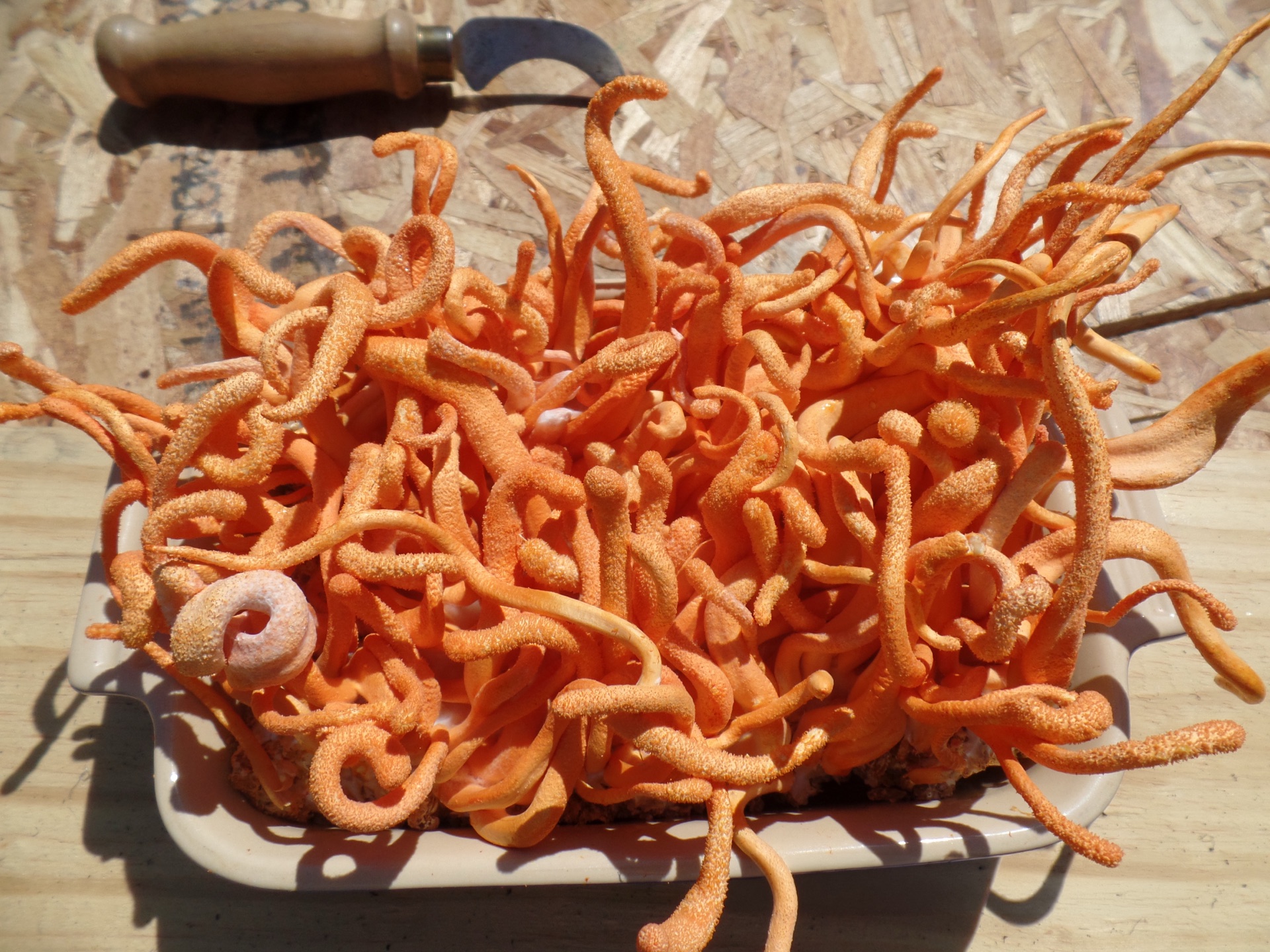
People search for US grown cordyceps because they want to know where what they are buying actually comes from. That is a reasonable thing to want. The cordyceps market is full of product with incomplete labels and unverifiable claims. Here is what to look for and what to ask.
What is US grown cordyceps?
US grown cordyceps is Cordyceps militaris cultivated on farms in the United States. It is not imported, not repackaged overseas product, and not a blend of domestic and foreign material. The plant grows here, gets harvested here, and ships from here.
That matters for traceability. When you buy from a US farm with USDA Organic certification, there is a paper trail. The certifying body has been to the farm. They reviewed the substrate, the inputs, the handling, the drying. That documentation is real and available on request. With most imported product, that kind of verification does not exist.
Why does it matter where cordyceps is grown?
Origin matters because most cordyceps on the market does not carry USDA Organic certification. Without it, organic claims are self-reported. Nobody audited the substrate. Nobody confirmed what was or was not used in cultivation. The label says organic because the seller decided to call it organic.
USDA Organic certification under the National Organic Program requires an independent third-party certifier to verify every stage of production on an annual basis. That is not a checkbox. It is an on-site audit with records. When you see the USDA Organic seal and ask for the certificate, a legitimate operation can hand it to you.
Ask for the certificate.
If a supplier cannot hand you their USDA Organic certificate, the organic claim is self-reported. That is the whole test.
What is the difference between whole fruiting body and mycelium on grain?
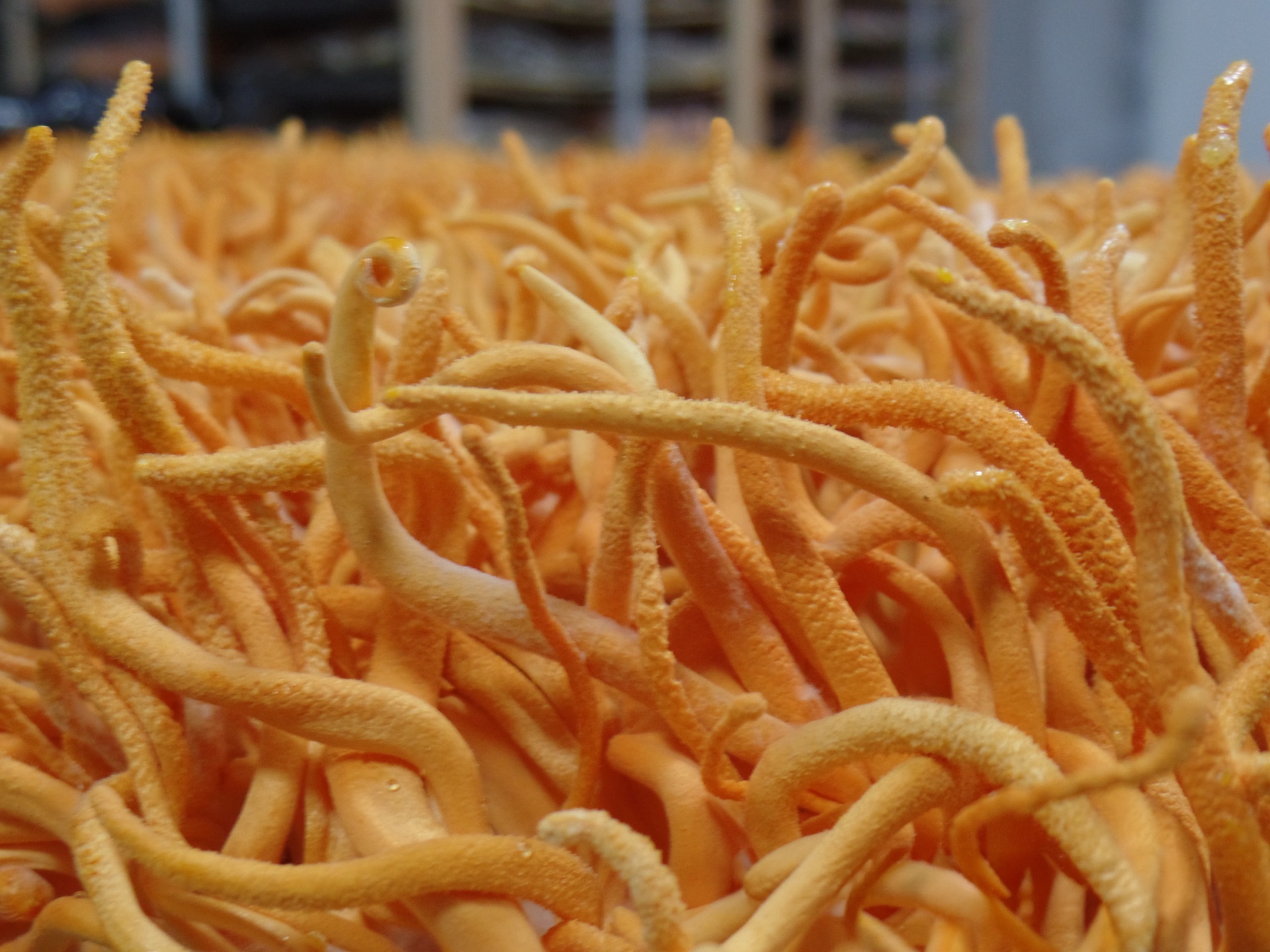
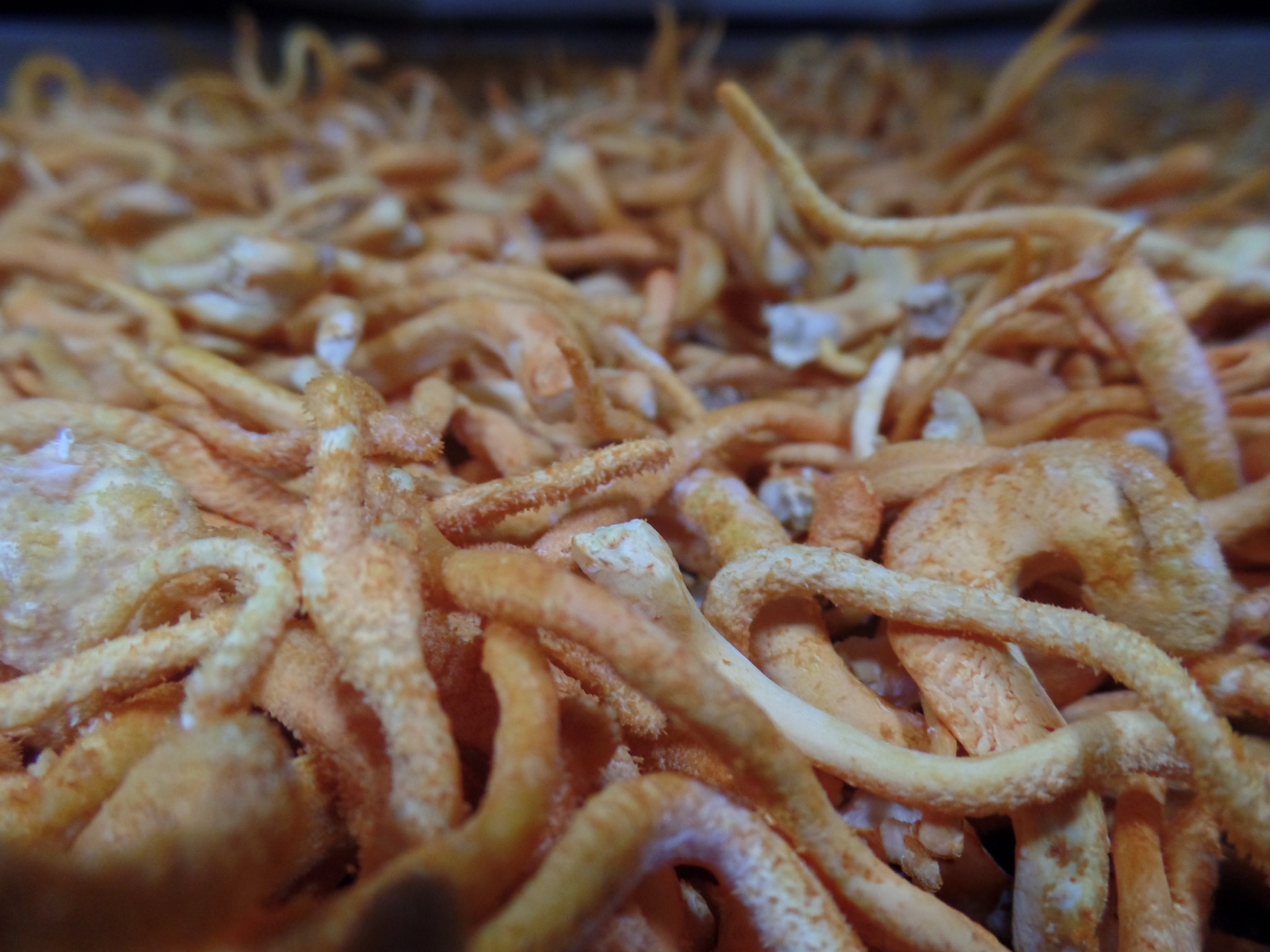
The fruiting body is the mushroom. It is what cordyceps actually is. Mycelium is the root-like structure the mushroom grows from. Many commercial cordyceps products are made from mycelium grown on a grain substrate, not from the fruiting body itself.
The problem with mycelium on grain is the grain. Studies have found that mycelium on grain products can contain upward of 65% starch from the substrate. That starch gets ground up and sold alongside the mycelium as the finished product. You are not buying cordyceps, you are buying mostly grain with some mycelium in it.
Whole fruiting body cordyceps contains the compound profile of the mushroom as it grows. No grain filler. No substrate residue. One ingredient.
How to read a cordyceps label
Four things to look for before you buy:
USDA Organic seal
The USDA Organic seal means the product was independently certified under the National Organic Program. It is not the same as a brand printing the word "organic" on their packaging. Ask for the certificate number and the name of the certifying agent.
Fruiting body — not mycelium
The label should say "fruiting body" explicitly. If it says "mycelium," "mycelium biomass," or lists a grain as an ingredient, you are not buying whole cordyceps. If it does not say either, ask.
Country of origin
The label should tell you where it was grown. If it only says where it was packaged or distributed, that is not the same thing. A product can be packaged in the US from imported material and still carry a domestic address.
COA availability
A Certificate of Analysis from a third-party lab confirms the compound profile of the actual batch you are buying. A supplier who cannot provide a COA is asking you to take their word for it.
Where to buy US grown USDA Organic cordyceps
Carolina Cordys grows Cordyceps militaris on a family farm in western North Carolina. USDA Certified Organic since 1997 — before the federal program formally existed. Whole fruiting body only, never mycelium on grain. Dried at harvest using a low-heat process built specifically to preserve the compound profile.
Available retail in 2oz, 4oz, and 8oz sizes. Wholesale from 1 lb, priced to compete directly with imported product. COA available on request. The organic certificate is real and we will hand it to you.
One farm. One ingredient. USDA Certified.
Grown in western North Carolina. Ships nationally. Wholesale from 1 lb.